Updated 07-May-2026
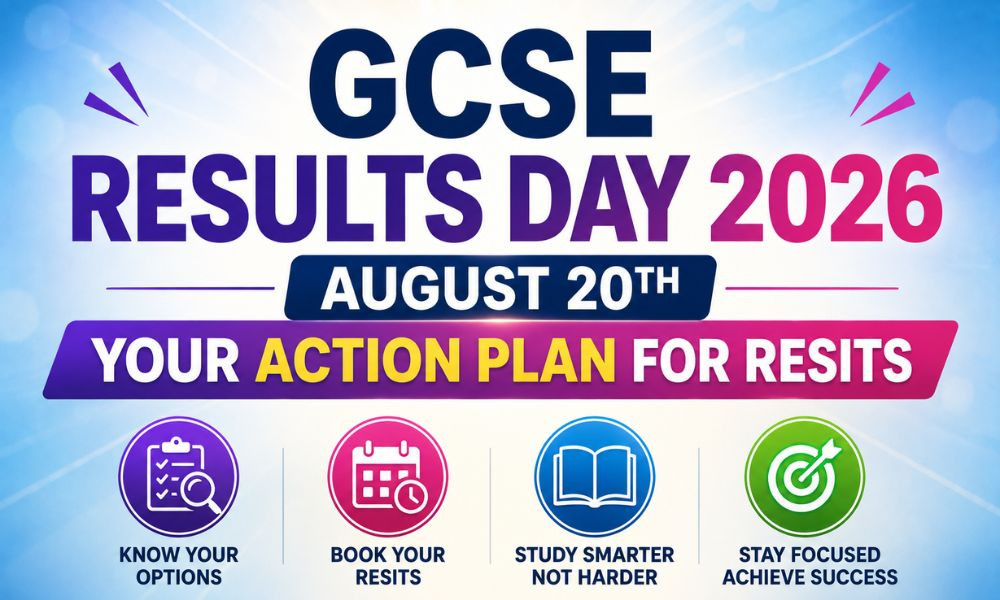
GCSE Results Day 2026 in the UK is expected to take place on Thursday 20 August 2026. Most schools and exam centres release results from around 8:00am onwards. Students will receive their GCSE grades either in person, online, or through their exam centre.
GCSE Results Day 2026 in England, Wales, and Northern Ireland is expected to be:
Every year, thousands of students across the UK wait for GCSE Results Day to confirm sixth form places, college admissions, apprenticeships, and future study plans.
For many students, GCSE results day 2026 will be one of the most important days of the year. Whether you’re expecting top grades or feeling nervous about Maths and English, understanding the process beforehand can make the day much less stressful.
Most schools and exam centres release GCSE results between:
However, timings vary depending on the school or exam centre.
Students may receive results through:
In-person collection
Student portals
Email systems
Independent exam centres
Private candidates should contact their exam centre directly before results day to confirm collection arrangements.
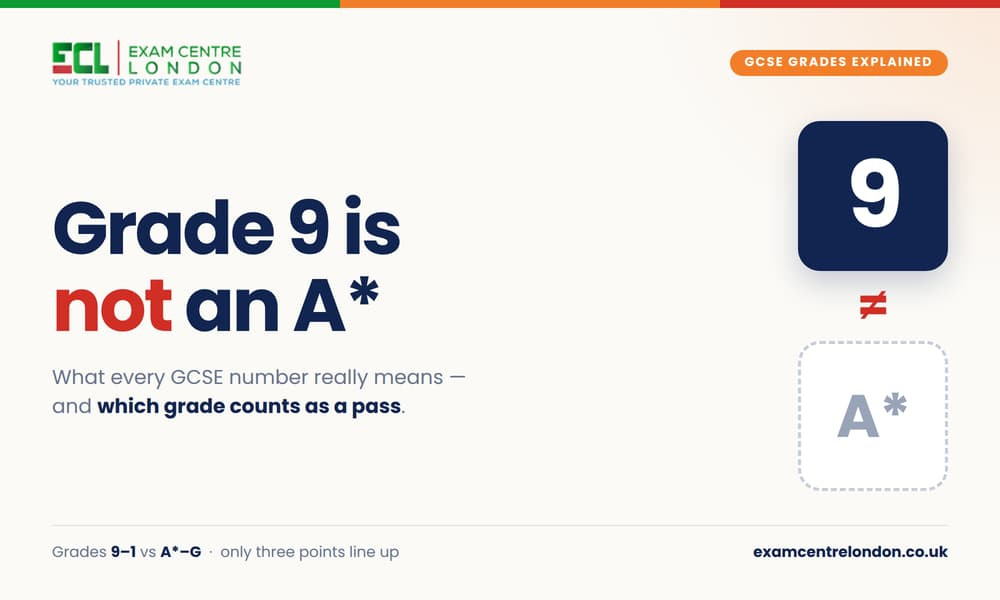
GCSEs in England now use the numerical 9–1 grading system instead of the old A*–G grades.
Here’s how the grades compare:
The newer system creates more separation between high-performing students, especially at Grades 7–9.
Only a relatively small percentage of students achieve Grade 9 each year.
A:
Most colleges and sixth forms require at least Grade 4 in English and Maths.
However, competitive sixth forms and A-Level programmes may ask for:
Grade 5s or 6s in core subjects
Higher grades for Science and Maths subjects
Strong overall GCSE performance
Students planning to study subjects like Biology, Chemistry, Physics, Economics, or Further Maths should check entry requirements carefully.
One of the biggest misconceptions about GCSEs is that grades are based on fixed percentages.
In reality, GCSE grade boundaries change every year depending on:
Exam difficulty
National performance
Statistical analysis
Paper challenge level
This means the marks needed for a Grade 7 in 2026 may differ slightly from previous years.
Exam boards including:
AQA
Edexcel
OCR
WJEC
usually release official grade boundaries on the morning of results day.
Mock exams are one of the best ways students can prepare for their real GCSEs.
They help students:
Experience real exam pressure
Improve time management
Identify weak topics
Build exam confidence
Practise answering under timed conditions
Students who take mock exams seriously often perform significantly better in final GCSE papers because they already understand the pressure and structure of exam situations.
Schools and exam centres use different methods for releasing GCSE results.
Most students receive results:
In person at school
Through online portals
Via email systems
Private candidates and home-educated students usually receive results directly from their independent exam centre.
At Exam Centre London, private candidates can sit GCSEs, IGCSEs, GCSE resits, A-Levels, and functional skills exams in a professional exam environment in London.
Many students feel disappointed after results day, especially if they narrowly miss target grades.
But lower GCSE grades do not mean the end of future opportunities.
Every year, thousands of students:
Retake GCSEs
Change educational pathways
Enter vocational courses
Join apprenticeships
Improve grades through resits
Some students perform far better during resits because they already understand the exam format and know which areas need improvement.
If students believe a mistake may have been made during marking, they can request a review.
The process usually works in stages:
Teachers or exam officers can advise whether a review is worthwhile.
The exam board checks whether the paper was marked correctly.
In certain cases, appeals can be escalated through official regulatory channels.
Students should remember that grades can increase, stay the same, or occasionally decrease after a review.
GCSE resits are extremely common across the UK, especially for:
GCSE Maths
GCSE English Language
Resitting an exam should never be viewed negatively. Many students improve significantly the second time around.
Most GCSE resits happen during the next main exam season.
However:
Results are typically released in January 2027.
Students considering GCSE resits should discuss options with teachers, tutors, or their exam centre as early as possible.
Private candidates often have different arrangements compared to school students.
Private candidates may include:
Home-educated students
Adult learners
International students
GCSE resit students
Independent exam centres usually provide results through:
Online portals
Email systems
In-person collection
Choosing an experienced and reliable exam centre is especially important for private candidates preparing for GCSEs in London.
Most sixth forms require students to achieve:
Grade 4 or above in core subjects
Grade 5 or 6 in chosen A-Level subjects
Highly competitive sixth forms may ask for:
Multiple Grades 7–9
Strong Maths and English grades
Subject-specific entry requirements
Students should check entry requirements before results day so they understand their available options clearly.
Yes — many universities consider GCSE grades as part of the admissions process.
Competitive universities may look closely at:
GCSE Maths
GCSE English
Science subjects
Overall academic consistency
However, universities also consider:
A-Level grades
Personal statements
Admissions tests
Interviews
Strong GCSEs can strengthen applications, but lower grades rarely close every door permanently.
Feeling nervous before results day is completely normal.
Some useful ways students can reduce stress include:
Confirming results collection details early
Avoiding comparisons with friends
Having backup plans prepared
Speaking openly with parents or teachers
Remembering that one exam result does not define the future
Parents can help by focusing on emotional support instead of pressure.
Confidence and resilience are often more important long-term than perfect grades.
GCSE Results Day 2026 will be a huge milestone for students across the UK. Whether students achieve their target grades, need to consider resits, or decide on alternative pathways, there are always opportunities available.
The most important thing is understanding the available options and staying calm throughout the process.
For private candidates, GCSE resits, and independent learners, having the right support and exam centre can make the experience significantly less stressful.
GCSE Results Day 2026 is expected to take place on Thursday 20 August 2026 in the UK.
Most schools and exam centres release GCSE results between 8:00am and 10:00am.
Grade 4 is considered a standard pass, while Grade 5 is considered a strong pass.
Yes. Students can resit GCSE subjects, especially Maths and English.
GCSE Maths and English resits are usually held in November 2026.
Yes. Some universities consider GCSE grades alongside A-Levels and other application factors.
Private candidates usually receive results through their exam centre via online portals, email, or in-person collection.
Recent Posts
Categories
Tags